
Tell us who they are
Describe the person and what your relationship felt like to you.
● AI personas inspired by real relationships
Recreate a conversation with a private AI persona built from the chat history, photos, voice notes, and memories you choose.
 MayaAI persona · shaped by your relationship
01Upload your history chats, photos, voice & memories
02Review the persona you decide what it learns
03Start a private chat always clearly labeled AI
● Choose who the persona represents
Every persona starts with someone real and the relationship you shared. The result is a new AI conversation — never proof of what the person would truly say.
Turn the relationship you still think about — the banter, chemistry, and inside jokes — into a private, clearly labeled AI persona.
Explore this persona →💬Preserve familiar expressions and shared stories from messages you are authorized to use — without pretending AI is the person.
Explore this persona → 🫶
🫶Build a persona around the humor, phrases, and moments that make a friendship feel unmistakably yours.
Explore this persona → 😂
😂Create a permitted private persona with the expressions, reactions, and conversational rhythm you recognize.
Explore this persona → ✨
✨Train a personal AI on your own writing, stories, knowledge, and communication style — with you in control.
Explore this persona →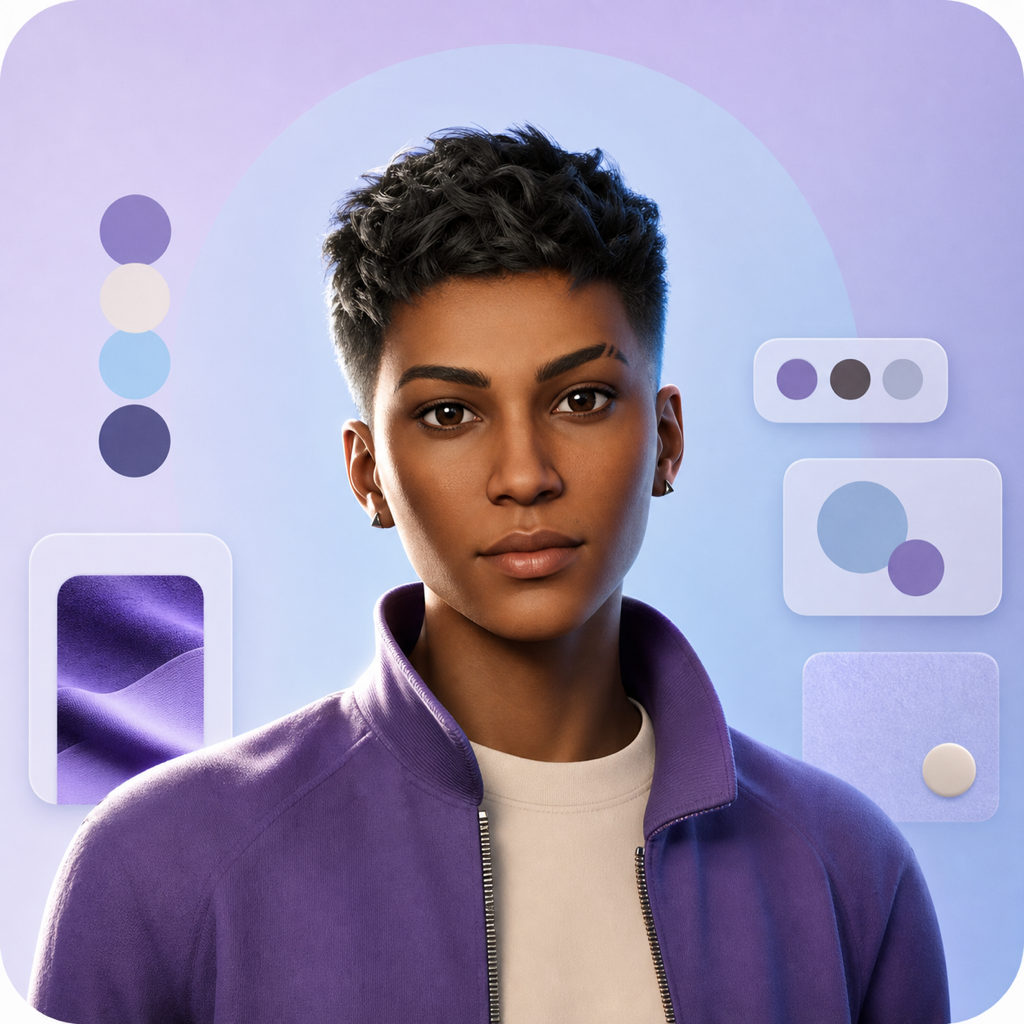 🪞
🪞● More than a profile picture
Choose a hairstyle, face shape, skin tone, glasses, outfit, and color palette. ExChat then creates a reaction pack so the avatar can smile, roll its eyes, laugh, pause, and react inside the chat.
😂🤨🔥🫶● From relationship to persona
Start with the relationship, add only the context you want to use, then shape how the AI persona looks and responds. You stay in control before the first message.
See the complete process →Describe the person and what your relationship felt like to you.
Add memories, inside jokes, and permitted messages you choose to share.
Review personality cues, then choose an avatar and reaction style.
Chat with a clearly labeled AI persona you can correct, pause, or delete.
Daniel AI persona · private•••Called every ambitious plan “a proper adventure.”
View source ↗● Familiar, with receipts
A response can point back to imported messages, a memory you added, or an AI inference. You can correct or delete the source instead of trusting a convincing answer blindly.
Explore memory controls → EXCHAT SAFETY LAYER
Familiarity comes from the context you choose.
● Always honest about what it is
ExChat can echo patterns from permitted messages and memories, but it cannot recover a person or know what they would truly say now. Every chat stays labeled as AI, with source and deletion controls close by.
● Context you can inspect
ExChat turns selected relationship context into a private, reviewable AI conversation. The goal is useful continuity — never a claim that software has restored a person or can speak with their authority.
To recreate a conversation means building a new AI chat from context you deliberately provide. That context can include permitted text messages, selected memories, recurring expressions, relationship details, and examples of the tone you want. The model uses those inputs to generate a fresh response rather than replaying a hidden recording or retrieving an exact sentence for every question.
A recreated conversation can feel more continuous than a generic chatbot because the persona has a defined relationship, voice, and memory. It may remember a shared topic, recognize a recurring joke, or answer with a communication style you reviewed. Familiarity is still not certainty. The AI can misunderstand a source, combine memories incorrectly, or invent a plausible detail, which is why ExChat keeps important context editable.
When you recreate a persona, you create a structured AI representation with a role, personality, selected knowledge, memories, an avatar, and explicit boundaries. You are not transferring a mind or recovering someone’s consciousness. A persona reflects the source material and instructions available to the model; it cannot know private thoughts, verify present-day feelings, or guarantee what a real person would say.
The distinction is especially important when a persona is inspired by someone living or by a person who died. Realistic living-person personas require explicit permission. Memorial personas need legitimate rights to the source, careful treatment of living people’s privacy, and repeated AI disclosure. Original characters can be created without copying a real person’s private identity.
A chat history can show timing, recurring phrases, shared interests, and how two people spoke within a particular relationship. It can also contain passwords, addresses, financial details, intimate material, group participants, workplace information, and private stories about other people. A responsible workflow begins by minimizing the source before anything is imported.
Use the smallest representative set that supports the persona. Preserve useful speaker labels and dates, remove unrelated content, and explain the period or relationship behind the messages. ExChat separates possible communication patterns from source memories so you can change an inaccurate fact without redesigning the entire voice. Test questions the source can and cannot answer; a trustworthy persona should acknowledge uncertainty instead of completing every gap with convincing fiction.
Different relationships need different context and boundaries. An AI girlfriend may emphasize ongoing relationship-style chat, while an AI ex girlfriend needs especially clear separation from present-day contact and consent. An AI friend can focus on shared humor and interests, and an AI boyfriend can be built as an original character or from an authorized conversation.
You can also create an AI digital twin from your own knowledge and communication style or use memorial AI chat to explore an authorized memory archive with stronger emotional and source boundaries. These pages answer separate search intents and use separate persona guidance; they are not interchangeable names for one generic clone.
After the initial persona is generated, review sample replies across everyday, uncertain, emotional, and out-of-scope questions. Check whether the tone is stable, whether memories point to the right source, and whether the AI admits when it does not know. Remove behavior that encourages manipulation, exclusivity, unwanted contact, deception, or overconfidence.
A recreated persona should remain private by default and visibly labeled as AI. You should be able to inspect memory, correct context, clear a conversation, pause the persona, export your material, and delete both sources and derived information according to the published retention process. These controls make recreated conversation useful without asking users to confuse a fluent response with identity, consciousness, consent, or professional advice.
● Before you create
No. ExChat creates an AI-generated persona from permitted source material. It can feel familiar, but it is not conscious, is not the person, and can be wrong.
Only with material you have the right to use and the living person's explicit permission for a realistic persona. ExChat is not for deception, stalking, or evading someone's boundaries.
A private memory persona can be shaped from authorized messages, stories, and photos. It always stays labeled as AI and should be used for reflection, not presented as resurrection or professional grief support.
You can add relationship context, memories, inside jokes, personality details, and optional messages you have the right to use. You review what ExChat learns before the persona is created.
Yes. The avatar system is designed to let you tune hair, skin tone, face details, glasses, clothing, colors, and expressive reactions without claiming a perfect visual clone.
🙄🫶😂✨